Common Tree Care Mistakes
December 4, 2020

December 4, 2020

Common Tree Care Mistakes

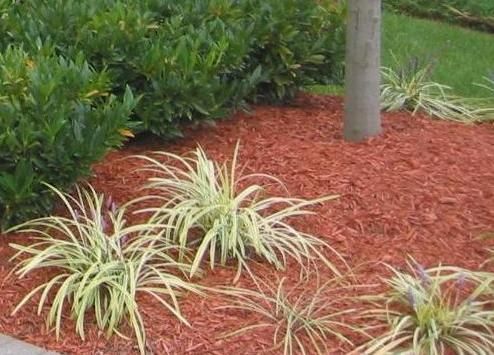
You wouldn't purposely put your tree in harm’s way, but many people are unaware of the small things that are actually bad for their trees and have the potential to severely harm their long term health.   Here are a some common tree care mistakes that you should know of so you can make the best decisions regarding your trees.   Mulching too close to a tree’s trunk   Mulch is a good thing. It can balance soil temp, hold in moisture and even block weeds from growing. That makes mulching a very attractive option, but it can go wrong. If mulch is piled around the tree's trunk, it can hold in too much moisture and lead to decay. Once the bark has begun to decay, it becomes weak and can compromise the tree's overall good health. This problem is easy to avoid. Just leave about three inches between the mulch and the trunk.   Planting trees close together   Like some people, trees need some personal space. When they are planted too near each other, they may not thrive. Their root systems may compete for space and nutrients. It's best to talk to a professional arborist to help determine the correct spacing of your trees and shrubs.     Girdling a tree   Girdling is sometimes done on fruit trees, especially peach and nectarine trees, to prompt them to yield more fruit. It is done by removing a thin ring of bark from around the tree or limb. Girdling can be effective and is sometimes necessary but it is also a potential killer. Cutting the bark blocks the flow of nutrients from the leaves to the roots. Malnourished roots can lead to an unhealthy, unstable tree and possibly even the death of the tree. Accidental girdling can happen if a tree grows too near a fence, if a young tree's guy wires are never removed, or if a pet tie-out is left in place as the tree ages.   The use of screws, staples or nails on a tree   Typically, healthy mature trees can handle a few staples, some minor drilling or a few nails being hammered into them. Young trees though, or trees with thin bark or those that have been weakened by disease or trauma should not be compromised by nails, screws, staples or other piercings. If you are unsure as to whether your tree will withstand the insertion of these things, stop and find another way to attach your item.     Covering and/or building over tree roots   It may be tempting to cover and hide unattractive tree roots. However, the way you go about it can make the difference in the potential of damage happening to the tree. One certain thing to absolutely avoid is covering roots with concrete. Roots will find space to grow by any means they can. They exert immense pressure in doing so, and any concrete covering the roots will eventually become heaved and cracked. Fortunately, there are ways to mask the roots that won’t cause harm to the tree or to your work in the future.   You don't have to rely on guesses to decide what to do. Give us a call if you have any questions regarding your plans. Let our expert team of professionals, including on-site certified arborists, help you make the choice that is right in caring for your trees.
By Mid Florida Tree Service January 15, 2026
HOA communities rely on consistent, professional landscape care to protect property values and resident safety. Trees are one of the most visible and valuable assets in a neighborhood, but without a structured maintenance plan, they can quickly become a liability. We work with HOA boards and property managers in Wesley Chapel to develop long term tree maintenance programs that reduce risk, control costs, and keep communities looking their best. Why HOAs Need a Tree Maintenance Plan Tree care in a large community cannot be handled on a reactive basis. Waiting until branches fall or complaints arise often leads to higher costs and increased liability. A planned approach allows boards to stay ahead of problems and budget responsibly. A structured maintenance plan helps: Reduce emergency service calls. Identify hazardous trees before they fail. Maintain consistent appearance across the community. Spread costs predictably over the year. Protect the HOA from avoidable liability claims. Planning ahead creates stability for both the board and the residents. What a Professional HOA Tree Plan Includes Every HOA has different needs depending on tree species, age, and layout. We tailor each plan to the specific community after a full evaluation. A typical maintenance plan may include: Scheduled inspections by certified arborists. Routine pruning to manage canopy growth and visibility. Removal of dead or declining trees before they become hazards. Storm preparation pruning in high risk areas. Post storm evaluations to assess damage and safety. Written documentation for board records and insurance needs. This approach ensures trees are managed consistently rather than piecemeal. Supporting Board Decisions With Professional Evaluations HOA boards are often required to justify maintenance decisions to residents. Having professional assessments helps remove uncertainty and emotion from the process. Our arborists provide clear explanations and written recommendations that help boards: Understand which trees pose real risk. Prioritize work based on safety and urgency. Communicate decisions clearly to homeowners. Demonstrate responsible management practices. This transparency builds trust within the community. Budget Predictability and Cost Control One of the biggest advantages of a maintenance plan is predictable budgeting. Scheduled care reduces the likelihood of costly emergency removals and allows boards to plan expenses in advance. With a maintenance plan, HOAs benefit from: Fewer unexpected expenses. Better long term cost control. Reduced damage from storms due to proactive pruning. Improved vendor accountability. Consistency leads to fewer surprises and better financial planning. Experience With HOA and Municipal Standards We work with HOA communities throughout Hillsborough County and eastern Pasco, including Wesley Chapel. Our team includes certified arborists who participate in Tampa’s Self Certified Private Arborist Program. This experience allows us to align tree care practices with local standards and regulatory expectations. Boards can be confident that recommendations are based on professional training and industry best practices. A Long Term Partner for Your Community Tree maintenance is not a one time task. It is an ongoing responsibility that requires experience, consistency, and clear communication. We focus on building long term partnerships with HOA boards and property managers who want reliable service and professional guidance. Schedule a Community Tree Evaluation If your HOA is reviewing contractors or planning future maintenance, a professional evaluation is a strong first step. We can assess your community’s trees and propose a maintenance plan that fits your goals and budget. Call Mid Florida Tree Service at (813) 588-0315 to schedule an HOA tree maintenance consultation in Wesley Chapel.
By Mid Florida Tree Service January 15, 2026
Tree roots and septic systems do not always coexist well. In many Florida properties, septic systems are located in yards with mature trees nearby. While trees provide shade and beauty, their roots naturally seek out moisture and nutrients, which can put them on a collision course with septic tanks and drain fields. Understanding the risks early can help prevent costly repairs and serious damage. Why Tree Roots Are Drawn to Septic Systems Septic systems create an environment that roots find attractive. Drain fields release moisture into the soil, and even small leaks from pipes can provide a steady water source. Roots grow toward these conditions and can slowly invade system components.  Roots are especially drawn to: Moist soil around drain lines. Nutrient rich areas near leach fields. Small cracks or joints in older septic pipes. Consistently damp soil caused by system use. Once roots find a way in, they continue to grow and expand inside the system. Problems Tree Roots Can Cause Root intrusion does not always cause immediate failure, but it often leads to progressive damage. Common issues include: Cracked or blocked pipes. Reduced drainage in the leach field. Sewage backups or slow drains in the home. Structural damage to the septic tank. Costly repairs or system replacement. These problems tend to worsen over time if not addressed. Trees That Commonly Cause Septic Issues Some tree species are more aggressive root growers than others. Fast growing trees and those that thrive in moist soil are more likely to interfere with septic systems. Problem trees often include: Large oaks planted too close to drain fields. Willows and other water loving species. Fast growing ornamentals with shallow roots. Trees planted before septic system locations were clearly marked. Tree placement plays a major role in whether roots become an issue. How We Evaluate the Risk When homeowners are concerned about tree roots and septic systems, we begin with a careful evaluation of the property. We look at tree species, size, root spread, and proximity to septic components. Our assessment may include: Identifying the location of the septic tank and drain field. Evaluating root growth patterns and soil conditions. Determining whether roots are likely to cause future problems. Recommending management options that protect both the tree and the system. The goal is to find a solution that avoids unnecessary removal while reducing risk. Options for Protecting Your Septic System In many cases, there are ways to manage tree roots without removing healthy trees. Possible solutions include: Root pruning to redirect growth away from septic components. Installing root barriers where appropriate. Adjusting irrigation to reduce excess moisture near the system. Removing problem trees only when risk cannot be managed safely. Each situation is different, and professional guidance helps ensure the right choice is made. Plan Ahead to Avoid Expensive Repairs Tree root problems often develop slowly, which gives homeowners an opportunity to act before major damage occurs. Regular inspections and early intervention can protect your septic system and preserve valuable trees on your property. Get Professional Help With Tree and Septic Concerns If you suspect tree roots may be affecting your septic system, we can help evaluate the situation and recommend practical solutions. Our certified arborists understand how roots grow and how to manage them responsibly. Call Mid Florida Tree Service at (813) 588-0315 to schedule a tree and root evaluation for your septic system.
By Mid Florida Tree Service January 1, 2026
Palm trees are a common sight throughout Riverview, and while they may look low maintenance, proper pruning is essential for their health and safety. Timing matters more with palms than many homeowners realize. Pruning at the wrong time or in the wrong way can weaken the tree, increase disease risk, and even make storm damage more likely. Why Timing Is Important for Palm Pruning Unlike hardwood trees, palms grow from a single growing point at the top of the trunk. Removing healthy fronds too aggressively or at the wrong time can stress the tree and slow its growth. In Florida, palms respond best when pruning is done with a clear understanding of seasonal growth cycles. Proper timing helps: Maintain the tree’s natural strength. Reduce stress during hot or dry periods. Limit exposure to pests and disease. Improve storm resistance. The Best Time of Year to Prune Palms In most cases, palms should be pruned only when necessary and not on a fixed schedule. Dead, broken, or hanging fronds can be removed at any time, especially if they pose a safety concern. Routine pruning is often best done during warmer months when the tree is actively growing. Over pruning during cooler periods or before a growth cycle can leave palms vulnerable and slow to recover. Common Palm Pruning Mistakes Many palm problems we see in Riverview are caused by well intentioned but incorrect pruning. Common mistakes include: Removing green, healthy fronds. Cutting palms into a tight, upright shape. Pruning too frequently. Leaving large stubs instead of clean cuts. Using improper tools that damage the trunk. These practices can weaken the palm and make it more susceptible to disease and nutrient deficiencies. How We Approach Palm Pruning Our certified arborists evaluate each palm individually before pruning. We focus on safety, tree health, and long term appearance. When we prune palms, we remove only what is necessary and leave healthy fronds in place to support growth. Our process may include: Removing dead or damaged fronds. Clearing fronds that interfere with structures or walkways. Identifying signs of nutrient deficiency or disease. Recommending fertilization or soil treatments when needed. This careful approach helps palms remain strong and attractive year round. Keeping Palms Healthy in Riverview Riverview’s climate supports many palm species, but proper care is still essential. Regular inspections, correct pruning, and proper nutrition all play a role in keeping palms healthy and storm ready. If you are unsure whether your palms need pruning, or if they have been over pruned in the past, a professional evaluation can help prevent further damage. Professional Palm Care You Can Trust Palm pruning should never be rushed or done without a plan. We help homeowners make informed decisions that protect their trees and their property. Call Mid Florida Tree Service at (813) 588-0315 to schedule palm tree pruning or a tree health inspection in Riverview.
Show More →