
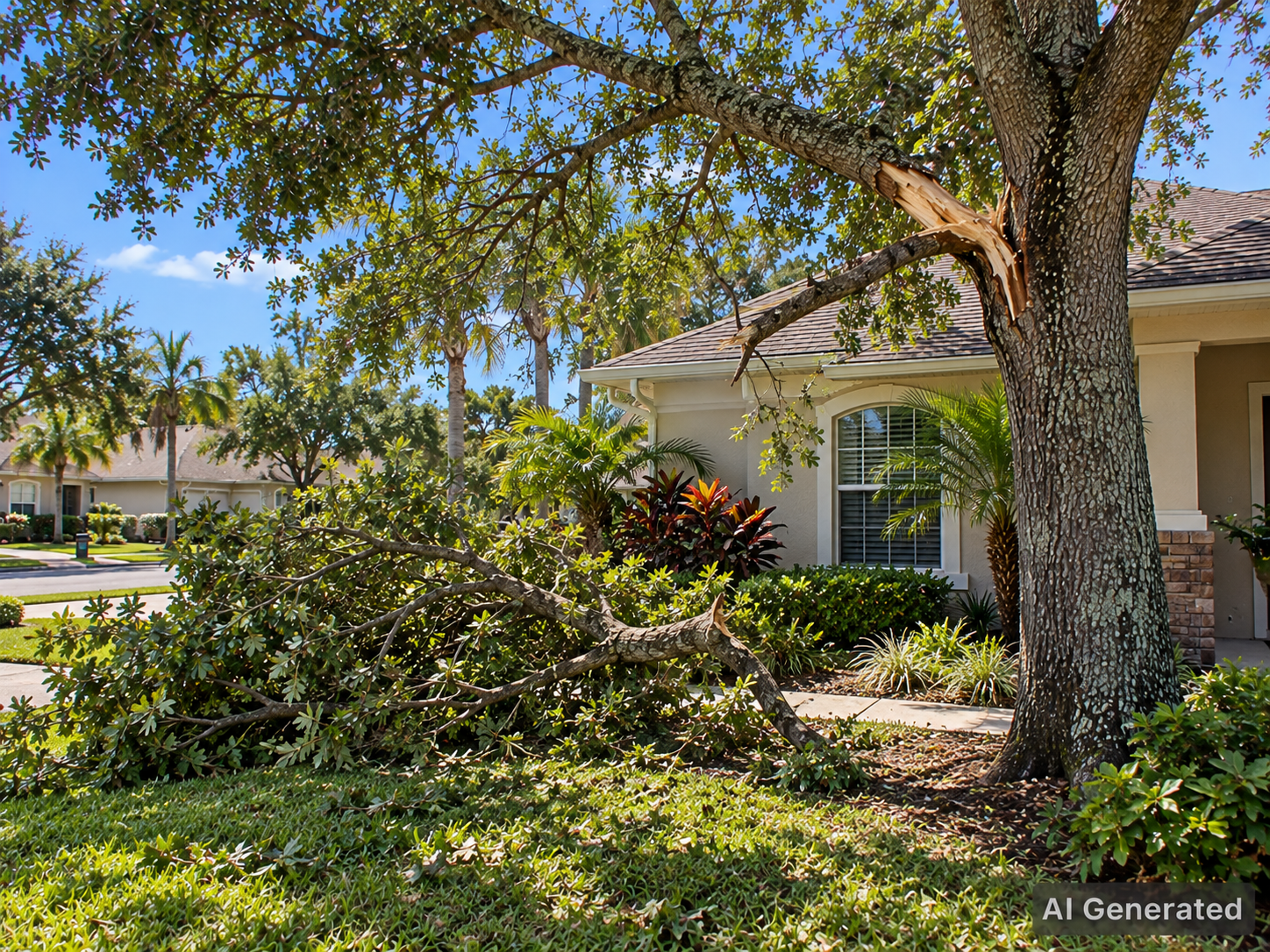
A large branch breaking off a tree can leave a substantial wound and change the shape of its canopy. Whether the damage results from a storm, decay, or an accident, homeowners often wonder if the tree will survive. Many trees can recover from losing a major limb. The outcome depends on the size and location of the wound, the amount of canopy lost, and the tree's overall health. How Does Losing a Large Branch Affect a Tree? Branches support the leaves that produce energy through photosynthesis. When a tree loses a large limb, it also loses part of its ability to produce the energy needed for growth and maintenance. The break also exposes wood that was previously protected by bark. Trees cannot heal wounds the way people do. Instead, they form new tissue around the edges of the injury and use natural defense processes to limit the spread of decay. A healthy tree with a relatively small wound has a better chance of successfully enclosing the damaged area than a tree with extensive trunk damage or existing decay. What Should You Do After a Large Branch Breaks? First, check for immediate hazards. A partially attached limb or broken branch caught in the canopy can fall without warning. Keep people away from damaged branches overhead, and never approach a tree or branch in contact with electrical lines. Once the area is safe, examine the damage from the ground. Look at the wound. A branch that breaks cleanly outside the trunk usually causes less structural damage than one that tears away a large section of bark and wood. Check for additional cracks. Splits extending into the trunk or other major branches can indicate more serious structural damage. Observe the remaining canopy. Losing a major limb can leave the tree with an uneven distribution of branches and foliage. Avoid cutting away additional healthy branches simply to restore a symmetrical appearance. Unnecessary pruning removes more foliage from a tree that has already experienced significant damage. Should You Seal the Wound? Tree wound paints and sealants are unnecessary and can interfere with the tree's natural defenses against decay. Trees form new tissue around wounds and use internal defense processes to isolate damaged wood. If the broken branch has left a jagged stub, professional pruning can remove damaged material while preserving the branch collar and avoiding additional injury to the tree. Do not attempt to fill the wound with concrete, foam, or other materials. How Long Does Recovery Take? A tree can begin producing new growth during the next growing season, but closing a large wound takes much longer. Some wounds never become completely enclosed. Recovery depends on the tree species, its health, growing conditions, and the extent of the damage. In Tampa and Central Florida, warm temperatures support a long growing season, but drought, saturated soil, pests, and additional storm damage can place further stress on an injured tree. Keep the tree properly watered during dry periods, protect the root area from unnecessary disturbance, and avoid excessive pruning while it recovers. When Is Tree Removal Necessary? Losing a large branch does not automatically mean a tree needs to be removed. However, some damage compromises the tree's structure beyond what corrective pruning can address. A tree may need to be removed when a broken limb causes extensive trunk splitting, exposes significant internal decay, or leaves the remaining structure dangerously weakened. The location of the tree also matters. A damaged tree standing over a home, driveway, or frequently occupied area presents different risks than one growing in an open landscape. Professional Evaluation of a Damaged Tree If your tree has lost a large branch, a professional inspection can determine whether the remaining structure is sound and what corrective pruning is appropriate. At Mid-Florida Tree Service, our ISA Certified Arborists evaluate damaged trees throughout Tampa and Central Florida. We can assess the extent of the injury and recommend appropriate care or removal when necessary. Call us at (813) 588-0315 to schedule a tree evaluation.
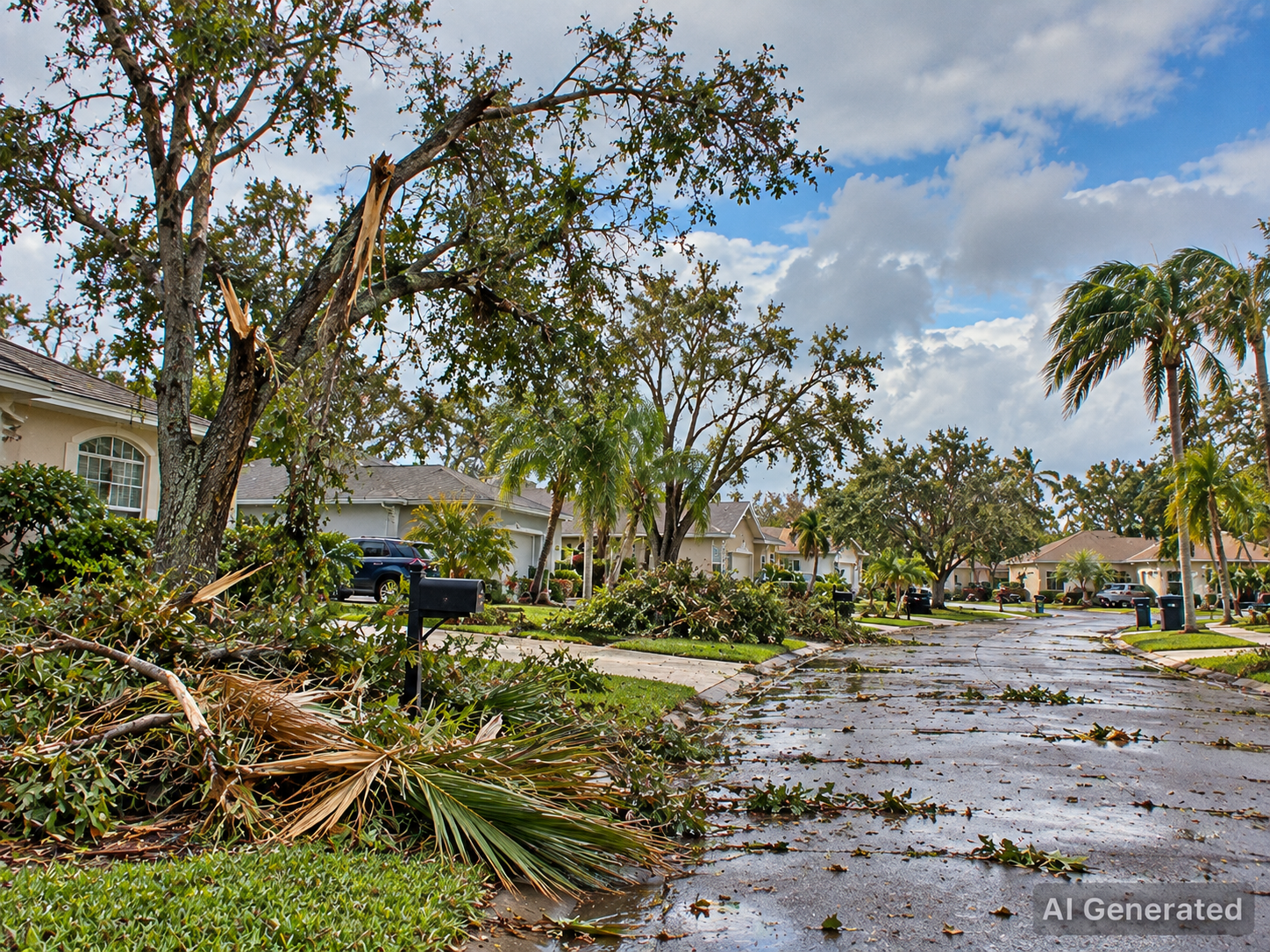
After a hurricane or tropical storm passes through Tampa, fallen branches and uprooted trees are obvious signs of damage. Other problems are less noticeable, including cracked limbs, damaged roots, and changes in a tree's stability. Even trees that appear to have survived the storm should be checked for damage. Knowing what to look for helps homeowners identify hazards and determine when professional tree care is necessary. Start With Safety Before inspecting your trees, make sure conditions are safe. Stay away from downed power lines, including lines caught in branches or lying beneath fallen trees. Report damaged electrical lines to your utility provider. Avoid walking beneath broken limbs hanging in the canopy. These branches can fall without warning, even after the wind has stopped. If a tree has fallen against your house or another structure, don't attempt to remove it yourself. Trees and branches under tension can shift suddenly when cut. Check for Broken or Hanging Branches High winds can break branches without bringing them completely to the ground. Some remain caught in the canopy, while others split but stay attached to the trunk. Look for: Broken branches hanging in the canopy. Cracks where large limbs join the trunk. Branches resting against the roof or other structures. Large sections of the canopy that have broken away. Small fallen branches can usually be cleared once the area is safe. Large hanging limbs and damaged branches overhead require professional attention. Look for Changes Around the Roots Hurricane winds place tremendous stress on a tree's root system, particularly when heavy rainfall has saturated the soil. Inspect the ground around the trunk for newly raised soil, cracks, or exposed roots. These can indicate that the root system has shifted. A tree that has developed a new lean during a storm is another warning sign. A change in position, especially when accompanied by soil movement, can indicate a loss of stability. Do not attempt to straighten or brace a large leaning tree yourself. Keep people away from the area until the tree can be evaluated. Examine the Trunk for Damage Look for new cracks, splits, and areas where bark has been torn away. A large branch breaking from the trunk can leave a substantial wound and expose the underlying wood. The seriousness of the damage depends on its location, extent, and effect on the tree's structure. A broken branch does not automatically mean the entire tree must be removed. However, deep trunk cracks, major splits, and damage involving large structural limbs deserve prompt professional evaluation. Can a Storm-Damaged Tree Recover? Many trees survive hurricanes and recover from moderate damage. The amount of canopy lost, the condition of the trunk, and the integrity of the root system all influence whether a tree can be preserved. Proper pruning can remove damaged branches and help restore a sound canopy structure. Trees that have lost substantial foliage also need time to produce new growth. Avoid topping a damaged tree or removing healthy branches simply to make the canopy look symmetrical. Excessive pruning removes foliage the tree needs for recovery and can create additional structural problems. Some severely damaged trees cannot be safely preserved. Trees with major root failure, extensive trunk splitting, or other serious structural defects may need to be removed. When to Schedule a Professional Tree Inspection After a hurricane, prioritize trees with hanging limbs, structural cracks, new leaning, or visible root movement. Damage affecting a home, driveway, or frequently used outdoor area deserves particular attention. At Mid-Florida Tree Service, our ISA Certified Arborists evaluate storm-damaged trees throughout Tampa and Central Florida. We can identify structural concerns, recommend corrective pruning, and determine when removal is the safest option. If your property has experienced hurricane damage, call us at (813) 588-0315 to schedule a professional tree evaluation.
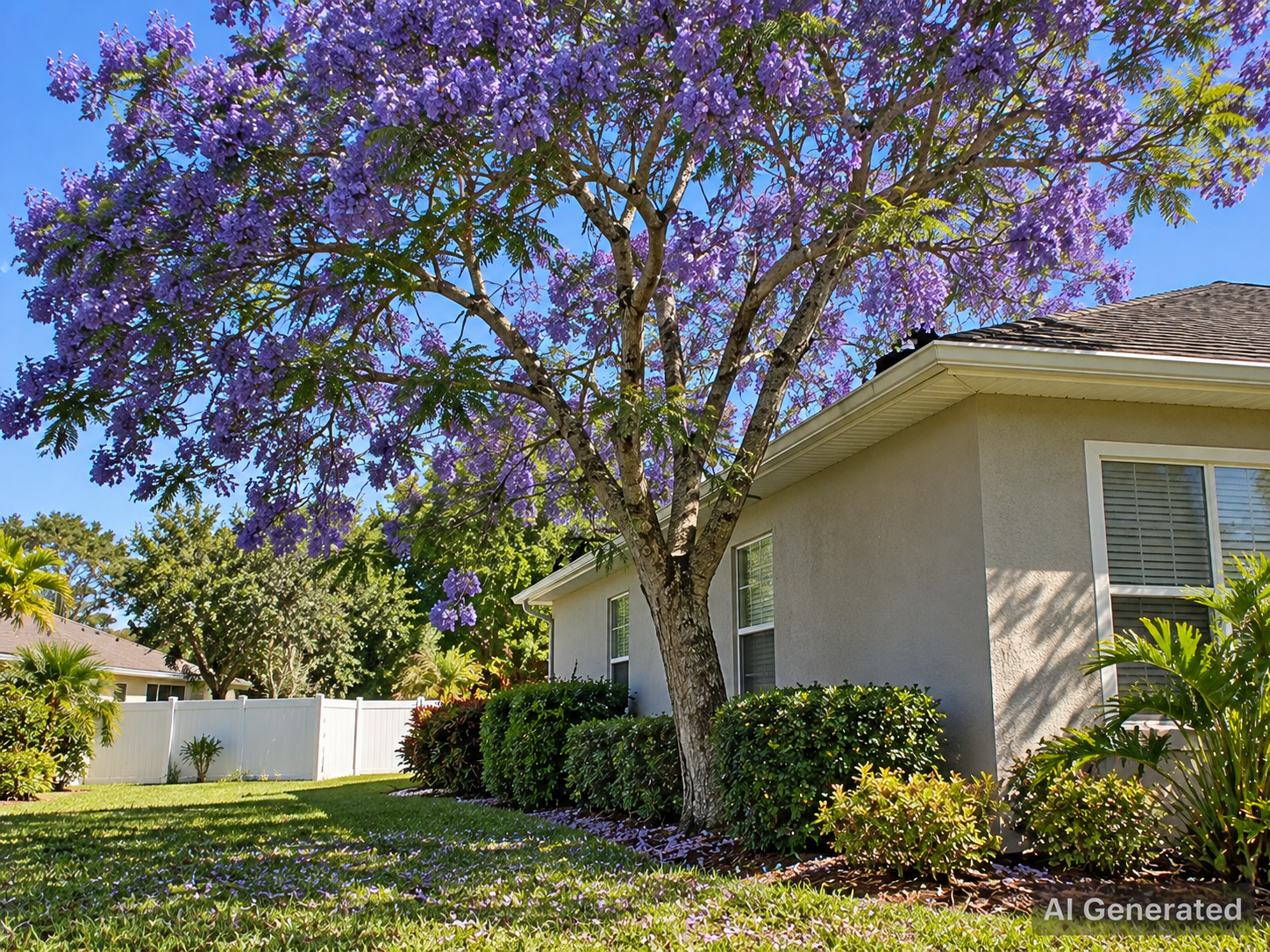
Trees growing near a house provide valuable shade, but they also need room to develop. There is no universal safe distance between a tree and a home. The appropriate spacing depends on the species, its mature size, available root space, and the location of the building. A small ornamental tree can grow much closer to a house than a mature live oak. Whether you're planting a new tree or evaluating one that's already established, the important consideration is how the tree fits its surroundings. How Far From the House Should You Plant a Tree? When planting a tree, consider its mature height and canopy spread rather than its current size. The University of Florida's IFAS Extension recommends providing at least 10 by 10 feet of rooting space for small trees, 20 by 20 feet for medium trees, and 30 by 30 feet for large trees. These measurements describe available rooting space, not required distances from a house. For example, a tree expected to develop a 40-foot-wide canopy needs substantially more room than one with a mature spread of 15 feet. Planting too close to a building can lead to branches contacting the roof and repeated pruning to maintain clearance. Selecting a tree suited to the available space is better than relying on heavy pruning to control its size. What If a Mature Tree Is Already Close to My House? A healthy, established tree doesn't automatically need removal because it grows near a building. Many Tampa-area properties have mature trees with canopies extending over homes. The important considerations are the tree's structural condition, the health of its root system, and whether its branches interfere with the building. Professional pruning can often provide adequate clearance from roofs, siding, and gutters while preserving the tree's natural structure. However, a tree with significant decay, weak branch attachments, or damaged roots deserves closer attention, particularly when large limbs extend over occupied areas. Can Tree Roots Damage My Foundation? Tree roots naturally spread through the surrounding soil in search of water, oxygen, and nutrients. They can extend beneath sidewalks, driveways, and areas near foundations. Roots can exploit existing cracks and openings, and their growth can displace pavement or other vulnerable structures. However, roots growing near a foundation do not automatically mean the foundation is being damaged. One important concern is the effect of construction or excavation on the tree itself. Cutting major roots near a house can compromise the tree's stability, increasing the risk of failure during strong winds. Before removing large roots or excavating around an established tree, have the potential effects on tree stability evaluated. Branch Clearance and Storm Safety Branches rubbing against shingles, siding, or gutters can damage building materials. Maintaining clearance also makes it easier to inspect and maintain the roof. In Central Florida, hurricane exposure makes structural condition particularly important. Large limbs with cracks, decay, or weak attachments can present a serious hazard when they extend over a house. Pruning should address specific clearance and structural concerns without unnecessarily removing healthy branches. Topping or severely cutting back a tree is not an appropriate way to manage its proximity to a home. When Should You Have a Tree Inspected? If you're concerned about a tree growing close to your home, look for warning signs such as cracks in the trunk, large dead branches, visible decay, recent changes in lean, or soil lifting around the base. These conditions warrant professional evaluation, regardless of how far the tree stands from the house. At Mid-Florida Tree Service, our ISA Certified Arborists evaluate trees throughout Tampa and Central Florida. We can assess trees growing near homes and recommend appropriate pruning, preservation, or removal when necessary. Call us at (813) 588-0315 to schedule a tree evaluation.